
ADHD and the USMLE: Studying with a Brain That Refuses to Sit Still

What it’s like to prepare for one of the world’s hardest exams when your brain is more interested in cleaning the fridge, rewatching “The Office,” and solving the world’s mysteries at 2 a.m.
Let me paint you a picture: it’s 9 a.m. You sit at your desk, open UWorld, and tell yourself, “Today, I’m going to crush 80 questions.”
By 9:07 a.m., you’re looking up why koalas sleep 20 hours a day.
By 9:17 a.m., you’ve cleaned your keyboard with a Q-tip.
By 9:32 a.m., you’re crying in fetal position on the floor wondering if you’ll ever pass Step 1.
Welcome to the world of studying for the USMLE with ADHD.
The Double-Edged Sword of a Hyper Brain
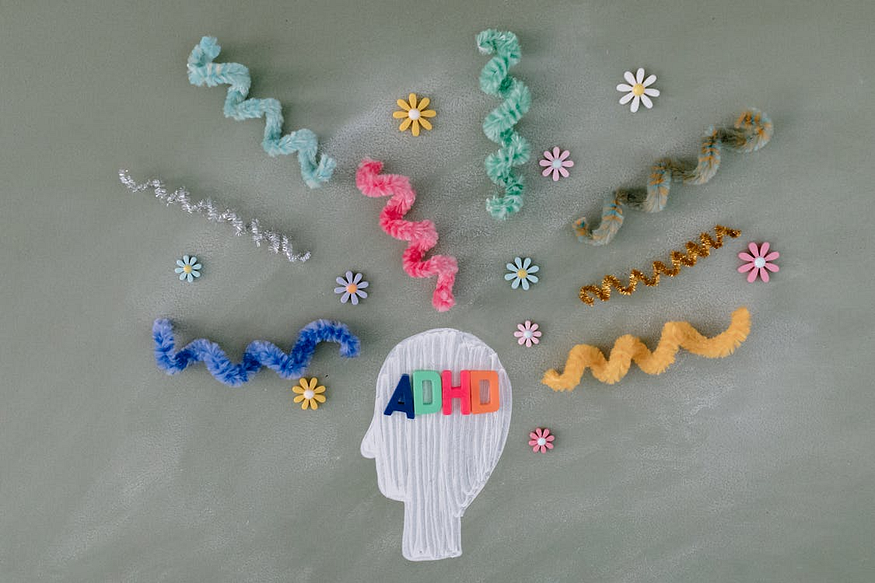
Having ADHD isn’t just being “distracted” — it’s like your brain has 57 tabs open, 12 of them are playing music, and the mouse keeps clicking the wrong thing.
But paradoxically, ADHD also comes with bursts of brilliance, especially when you’re in hyperfocus mode. I’ve done 4-hour Anki marathons without blinking — and then not touched Anki again for 5 days. Go figure.
The problem is: the USMLE doesn’t care how your brain works. It demands long-term consistency, brutal attention to detail, and the kind of discipline that feels like a Greek myth to people with ADHD.
The Study Plan that Failed… and Then Saved Me
I tried to follow everyone’s USMLE advice:
- “Wake up at 5 a.m.”
- “Do 40 UWorld questions a day religiously.”
- “Just stick to First Aid and Pathoma.”
That crashed and burned within a week.
Then I did something radical: I stopped pretending I had a neurotypical brain.
Instead, I built a plan around my ADHD. Here’s what worked:
🧠 1. Embrace the Sprints, Not the Marathon
I used the Pomodoro technique religiously. 25 minutes study. 5 minutes break. (Where I did squats, danced, or pet my cat like a villain.)
📚 2. Active Learning or Bust
Reading First Aid like a novel = zero retention. But teaching the material to my wall or drawing pathophys maps on my mirror with lipstick? GOLD.
🔊 3. Multisensory Everything
I watched videos at 1.5x speed with captions. I listened to Goljan while walking. I turned USMLE content into songs. (Yes, there’s a jingle about nephrotic syndrome. DM me.)
4. Forgive Yourself — Daily
Some days I couldn’t even finish 10 questions. Instead of spiraling, I’d say: “Today wasn’t my day. But tomorrow might be.”Because shame is the enemy of consistency.
The Accommodations Nobody Told Me About
It took me way too long to learn that I could get test accommodations. If you have a diagnosis and documentation, you may be eligible for extra time on the USMLE.
And trust me, it can be a game-changer. The exam isn’t about speed — it’s about comprehension. Don’t let stigma keep you from asking for what your brain needs.
ADHD Isn’t a Weakness. It’s a Different Operating System.
Studying for the USMLE with ADHD is like trying to navigate a sailboat through a hurricane. But it’s also taught me more about my brain than any psychiatry section ever could.
People with ADHD are creative, resilient, and incredibly adaptive — we have to be. We may struggle with structure, but we thrive in the chaos.
And guess what? That exam? I passed. And I didn’t change who I was — I leaned into it.
Final Thoughts: You’re Not Alone
If you’re reading this while procrastinating on your 7th block of UWorld — I see you. I am you. And I promise, it’s possible.
Build a study system that works for your brain. Take breaks without guilt. Ask for help when needed. And remember: you are not lazy. You are not broken.
You’re just wired differently — and that’s okay.